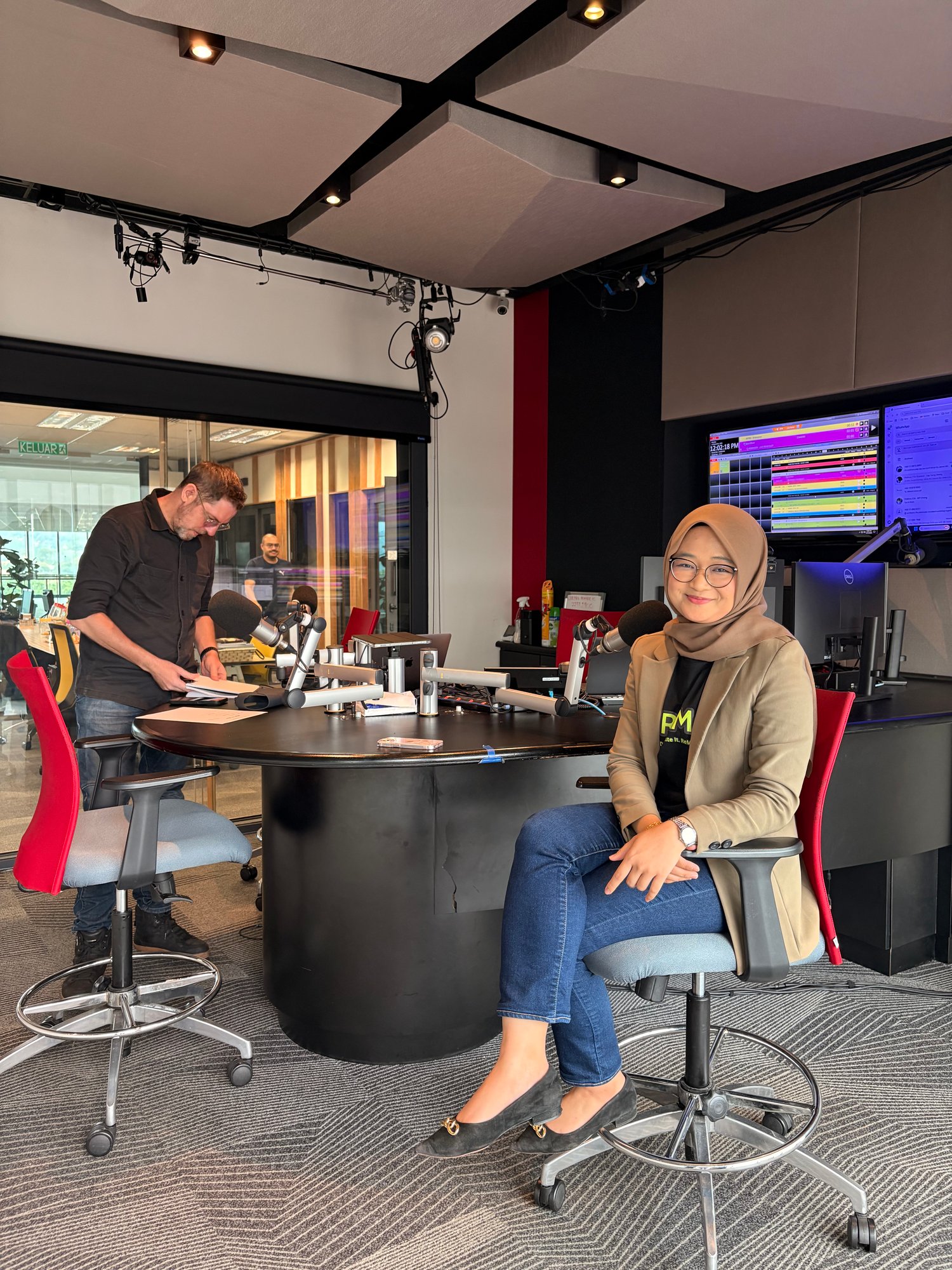
ReMeal was recently featured on BFM 89.9 in the podcast episode “The Business of Food Waste: How Malaysia Can Turn Loss Into Value.” In this interview, our CEO, Anis Hanani Suffian, discussed the growing challenge of food waste in Malaysia, why surplus food often goes undervalued and how ReMeal’s app helps F&B businesses recover costs while reducing edible waste.
A Meaningful Conversation on Malaysia’s Food Waste Problem
The interview explored the root causes behind Malaysia’s rising food waste levels from operational inefficiencies to behavioural habits within the F&B industry. The conversation delved into how platforms like ReMeal create practical, scalable solutions that help businesses channel surplus meals into consumer demand instead of landfills.
Addressing a Common Question: Are ReMeal’s Discounts Enough?
One of the most discussed topics was a common public perception: “The discounts on ReMeal aren’t attractive enough for surplus food.”
Anis addressed this directly.
The comparison, she explained, shouldn’t be about how much businesses “lose” by offering discounts. It should be about transforming guaranteed loss (throwing food away) into recovered value. ReMeal’s goal is to help shift the industry from operating at –x to achieving +x.
To support this, ReMeal currently subsidises in-app coupons, allowing users to enjoy additional savings on top of vendor-determined prices. Vendors maintain full control over pricing, ReMeal simply encourages them to offer surplus deals that are compelling, sustainable and beneficial for both businesses and consumers.
Driving a Mindset Shift in the F&B Industry
Changing how food operators think about surplus food is not easy. The interview highlighted key challenges within Malaysia’s F&B sector, including:
The tendency to undervalue edible surplus;
The misconception that discounting equals loss;
Limited operational focus on food waste reduction; and
The need for cost-recovery tools and sustainable business practices.
ReMeal aims to push this shift by providing a platform where sustainability and commercial value co-exist, helping businesses reduce food waste while protecting their bottom line.
Turning Food Waste Into Economic Value
Throughout the BFM feature, Anis emphasised Malaysia’s potential to turn food waste into economic opportunity. By enabling the sale of surplus meals, ReMeal contributes to:
Reduced food waste in Malaysia;
Cost recovery for F&B businesses;
Affordable meal access for consumers; and
Lower environmental impact.
This aligns with the broader national conversation around building a more sustainable, resilient and waste-conscious food ecosystem.
Listen to the Full BFM Podcast
The full BFM interview, “The Business of Food Waste: How Malaysia Can Turn Loss Into Value” is available for streaming and offers deeper insights into Malaysia’s food-waste landscape and ReMeal’s role in transforming it.